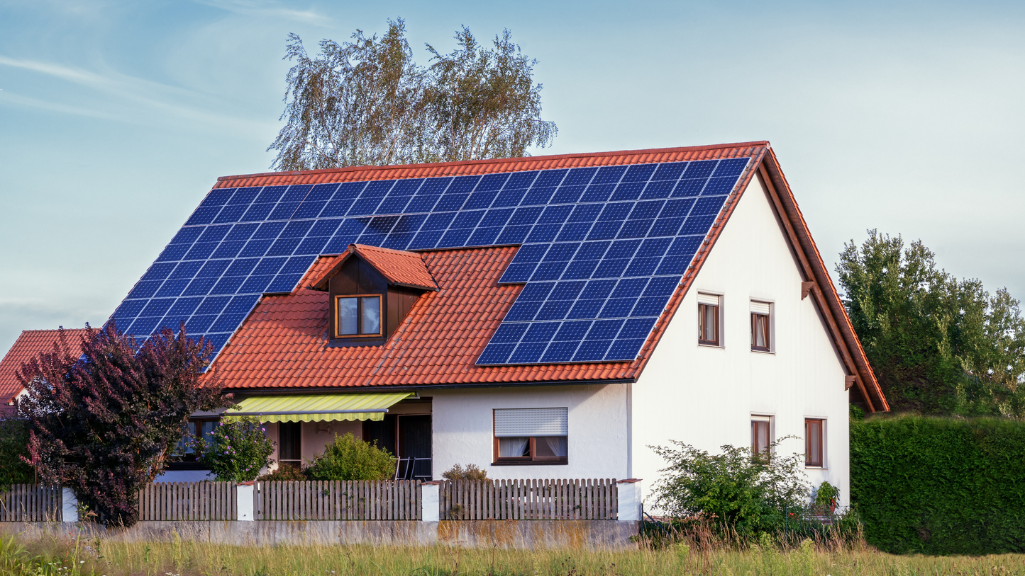
In a world where energy efficiency and environmental responsibility are becoming increasingly important, solar energy stands out as one of the most promising solutions for households and businesses. Let’s examine the main advantages of using solar energy and other renewable energy sources (RES) that make them attractive to a wide range of consumers.
Economic Benefits:
One of the most obvious advantages of solar energy is its economic efficiency. Although initial investments may seem significant, long-term savings often outweigh the initial costs.
For households, this means a substantial reduction in electricity bills. In some cases, homeowners can even fully cover their energy needs and sell excess energy back to the grid. This not only reduces costs but can also become a source of additional income.
Businesses can also gain significant benefits from switching to solar energy. Reducing operational costs increases the competitiveness of enterprises, allowing them to invest saved funds in other aspects of their development.
Moreover, many countries offer tax incentives and other financial stimuli to encourage the transition to renewable energy sources. This makes initial investments even more attractive and accessible.
Environmental Benefits:
Solar energy is a clean, renewable energy source that produces no harmful emissions or greenhouse gases during operation. This is of great importance in the context of the global fight against climate change.
The use of solar panels helps reduce dependence on fossil fuels, which not only lowers the carbon footprint but also contributes to improving air quality in local communities. This has a direct positive impact on public health, reducing the risks of respiratory and cardiovascular diseases associated with air pollution.
For businesses, transitioning to solar energy can become an important element of corporate social responsibility, enhancing the company’s reputation in the eyes of consumers who increasingly value environmentally responsible brands.
Technological Accessibility and Reliability:
Thanks to technological progress and reduced production costs, solar panels are becoming increasingly accessible to a wide range of consumers. Today, installing a solar system is a real possibility not only for large enterprises but also for small businesses and private households.
Solar systems are characterized by high reliability and require minimal maintenance. With a lifespan of 25-30 years, they represent a long-term solution for meeting energy needs. This is particularly attractive for businesses that can plan their energy costs for the long term.
Energy Independence and Security:
Using solar energy allows for greater energy independence. This is especially important in regions with unstable energy supply or high electricity tariffs.
For households, this means protection against disruptions in centralized energy supply and potential tariff increases. For businesses, energy independence can be a key factor in ensuring operational continuity and reducing risks associated with fluctuations in energy prices.
The use of solar energy and other RES provides numerous benefits for both households and businesses. Cost savings, environmental friendliness, technological accessibility, and energy independence are key factors contributing to the growing popularity of solar energy.
By investing in solar energy today, we are not only improving our financial situation but also making an important contribution to creating a sustainable and environmentally clean future. With each new solar panel, we are moving closer to a cleaner, healthier, and more energy-independent world for future generations.
This project is part of the “Renewable Energy for a Sustainable Ukraine” initiative, implemented by Deutsche Gesellschaft für Internationale Zusammenarbeit (GIZ) GmbH on behalf of the German Federal Ministry for Economic Affairs and Climate Action (BMWK).